
Isolation and the Need for Somewhere to Go
Chanson douceThe novel links Louise’s repeated loss of home to a longing for destination, while showing how loneliness can make dependence feel like belonging.
increasing Bearing strength in each event
 decreasing
Bearing strength in each eventdecreasingA Foundational Question

The Need for a Place
A question of destination
The book’s opening epigraph asks what it means to have nowhere to go. The question anticipates the predicament of people whose homes and livelihoods depend on others.
A lens on Louise
Louise’s later choices are shaped by the fear of exclusion and displacement. The longing for a place becomes more than a practical need; it becomes a claim to be wanted.
After Jacques’s Death
Forced Departure
A house is lost
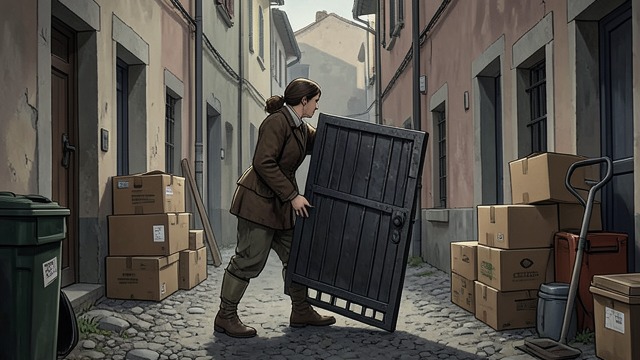
Jacques leaves Louise debts rather than security, and she must leave their home in Bobigny. She closes the door and abandons boxes containing much of their shared past.
Displacement takes hold
Her next room is temporary, and solitude begins to shape her movements and appearance. Loss becomes a recurring expectation that any shelter can be withdrawn.
The City of the Alone

Invisible Companions
Watching other lives
Louise walks through Paris observing couples, old people, students, and people who seem lost. The city appears full of solitary figures who share her disconnection.
Solitude changes perception
Being alone makes other people more vivid, but observation does not become companionship. Louise can see the lives around her without finding a reliable place within them.
The Greek Island Dream

Imagining an Escape
A future elsewhere
Louise pictures staying on Sifnos instead of returning with the Massés. She imagines sleeping when she wishes and caring for no one.
Freedom remains fantasy
The island represents a life outside service, but Louise’s dream is built from the family’s vacation and has no concrete means of survival. Even her imagined escape depends on a place she has only briefly visited.
The Studio Cannot Hold Her
A Shelter Without Belonging
Material insecurity
Bertrand Alizard confronts Louise about the broken shower and the future of the studio. Debt, repairs, and possible eviction make the room feel increasingly temporary.
The family becomes her only home
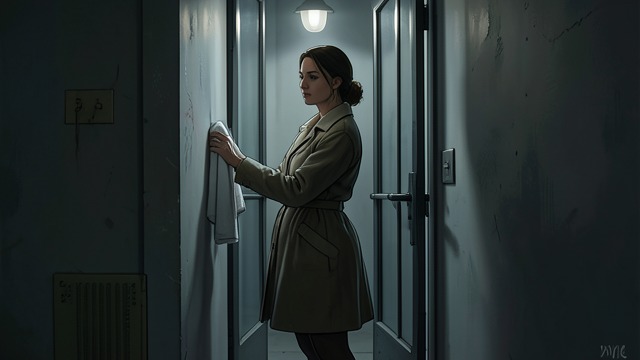
Louise secretly uses the Massé apartment to shower and stores a personal towel there. Her dependence is not only emotional: the employers’ home has become the place where she feels able to live.
Before the story’s opening, recalled in the epigraph
The winter following Jacques’s death
During Louise’s weeks in temporary lodging
During the summer after the holiday
Late in the summer before the crime
